Buy corporateinventionboard.eu ?
We are moving the project
corporateinventionboard.eu .
Are you interested in purchasing the domain
corporateinventionboard.eu ?
domain@kv-gmbh.de · 0541-91531010
Buy corporateinventionboard.eu ?
What is the difference between Economies of Scale and Economies of Scope?
Economies of scale refer to the cost advantages that a business can achieve as it increases its level of production. This can result from factors such as spreading fixed costs over a larger output, bulk purchasing discounts, and more efficient use of resources. On the other hand, economies of scope refer to the cost advantages that arise from producing a variety of products or services together, rather than just one. This can result from shared resources, such as marketing and distribution channels, as well as the ability to leverage a company's core competencies across multiple products or services. **
What are the Tiger economies?
The Tiger economies refer to the highly developed and industrialized economies of East Asia, including South Korea, Taiwan, Singapore, and Hong Kong. These countries experienced rapid economic growth and industrialization in the latter half of the 20th century, transforming from agrarian-based economies to industrial powerhouses. The term "Tiger economies" is derived from the "Four Asian Tigers," which originally referred to South Korea, Taiwan, Singapore, and Hong Kong, but has since been expanded to include other rapidly developing economies in the region. These countries are known for their export-oriented growth strategies, strong manufacturing sectors, and high levels of technological innovation. **


Similar search terms for Economies
Top-Angebote
Products related to Economies:
-
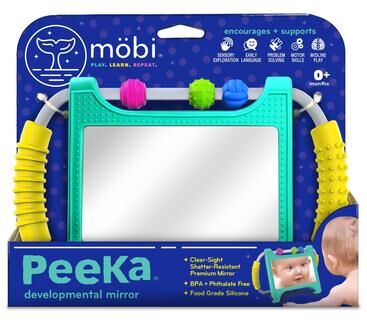
Mobi Peeka Development MirrorPEEKA® developmental mirror was designed by our team of doctors, therapists and parents to help children explore, learn and grow. When you place PEEKA® in the hands of your little ones, you will be amazed at the variety of ways they find to play...26,99 $*Shipping: 0,00 $Secure redirect to the provider
-
Classic Editions The Complete Art of War – 8 Book Hardback Box Set Sun Tzu & Ancient Chinese Military Strategy Classics Leadership, Warfare & Strategy CollectionExplore centuries of strategic thinking with The Complete Art of War – 8 Books Collection Hardback Box Set, an impressive collection of classical Chinese writings on warfare, leadership, tactics and strategy. Bringing together influential works from ancient Chinese military thought, this hardback collection includes titles such as The Art of War, Methods of the Sima, Wuzi, Wei Liaozi, Three Strategies of Huang Shigong, and Six Secret Teachings of Taigong, alongside additional works included in the eight-volume set. These enduring texts examine subjects including leadership, planning, discipline, intelligence, diplomacy, battlefield tactics and strategic decision-making. Although written in the context of ancient warfare, many of their principles have subsequently attracted readers interested in history, leadership and strategic thinking. Presented as an 8-volume hardback boxed collection, the set is ideal for readers of military history, students of classical philosophy and collectors of beautifully presented classic works. Why Readers Will Love This Collection Includes 8 hardback volumes in a collectible box set Features influential works of ancient Chinese military strategy Explores strategy, leadership, tactics and decision-making Excellent addition to military history and philosophy collections Attractive hardback format for a home or study library Ideal gift for history, strategy and classic literature enthusiasts The Complete Art of War 8 Book Collection brings together some of history's most enduring works on strategy in one impressive hardback set. Titles In This Set: Notebook Questions and Replies Three Strategies of Huang Shigong Wuzi Wei Liaozi The Methods of The Sima Six Secret Teachings of Taigong The Art of War16,99 £*Shipping: 2,99 £Secure redirect to the provider
-
Playful Picks Intelligent Escaping Toy Interactive Baby Development Toy Intelligent Escaping Toy Interactive Baby Development ToyIntelligent Escaping Toy The Ultimate Interactive Baby Development ToyDont let your toddlers get glued to mobile screens; introduce them to the Intelligent Escaping Toy, the perfect alternative that promotes healthy growth and development. Unlike...29,97 $*Shipping: 0,00 $Secure redirect to the provider



-
Are the Tiger economies emerging markets?
Yes, the Tiger economies are considered emerging markets. The term "Tiger economies" refers to the rapidly growing economies of South Korea, Taiwan, Singapore, and Hong Kong. These countries have experienced rapid industrialization, export-led growth, and technological advancement, leading to significant economic development. While they have made great strides in their economic growth, they are still considered emerging markets due to their ongoing development and potential for further growth and expansion. **
-
What are the similarities between planned and market economies?
Both planned and market economies aim to allocate resources efficiently to meet the needs of the society. Both systems involve the production and distribution of goods and services to fulfill demand. Additionally, both systems involve some level of government intervention, with planned economies having more centralized control and market economies having more decentralized decision-making. Both systems also aim to achieve economic growth and improve the standard of living for their citizens. **
-
What is the difference between emerging economies and developing countries?
Emerging economies refer to countries that are experiencing rapid industrialization and growth, often transitioning from a low-income to a middle-income status. Developing countries, on the other hand, are nations that are still in the early stages of economic development, with lower levels of income, infrastructure, and industrialization. While all emerging economies are developing countries, not all developing countries are considered emerging economies. Emerging economies typically have higher growth rates and more advanced industries compared to developing countries. **
-
What is the difference between developing countries and emerging economies?
Developing countries and emerging economies are often used interchangeably, but there is a subtle difference between the two. Developing countries typically refer to nations with low levels of industrialization, low per capita income, and high poverty rates. On the other hand, emerging economies are countries that are experiencing rapid economic growth, industrialization, and modernization, and are moving towards becoming developed nations. Emerging economies often have higher levels of foreign direct investment, infrastructure development, and technological advancement compared to developing countries. **

Can the economies of Sweden and China be easily compared?
The economies of Sweden and China cannot be easily compared due to their significant differences in size, structure, and development. Sweden has a small, open, and highly developed economy with a focus on innovation, technology, and high-value exports. On the other hand, China has a large, diverse, and rapidly growing economy with a focus on manufacturing, infrastructure development, and export-led growth. Additionally, Sweden has a strong welfare state and high levels of income equality, while China has a more diverse income distribution and a different approach to social welfare. Overall, the differences in size, structure, and development make it challenging to directly compare the economies of Sweden and China. **
What is the definition of economies of scale and scale revenues?
Economies of scale refer to the cost advantages that a business can achieve as it increases its level of production. This means that as a company produces more goods or services, the average cost of producing each unit decreases. Scale revenues, on the other hand, refer to the increase in total revenue that a company experiences as it grows and expands its operations. This increase in revenue is often a result of capturing a larger market share and benefiting from the cost advantages of economies of scale. **
Top-Angebote
Products related to Economies:
-
HARPERCOLLINS Creative Confidence by Tom & David Kelley – Unleashing Your Creative Potential & Innovation MindsetA powerful and inspiring book from the founders of IDEO, the award-winning design firm, on unleashing the creativity that lies within each and every one of us. Too often, companies and individuals assume that creativity and innovation are the domain of the ‘creative types’. But two of the foremost experts in innovation, design and creativity on the planet show us that each and every one of us is creative. In an entertaining and inspiring narrative that draws on countless stories from their work at IDEO, and with many of the world's top companies and design firms, David and Tom Kelley identify the principles and strategies that will allow us to tap into our creative potential in our work lives, and in our personal lives, allow us to think outside the box in terms of how we approach and solve problems. ‘Creative Confidence’ is a book that will help each of us be more productive and successful in our lives and in our careers.4,95 £*Shipping: 1,99 £Secure redirect to the provider
-
Mamas & Papas Special Edition Liberty Collaboration Cold Weather Plus FootmuffThe Cold Weather Plus Footmuff by Mamas & Papas is the ultimate footmuff for cold weather protection, and features an extra-soft fleece lining. Ideal for keeping baby warm and cozy when out and about in cool weather, you can even zip down to a liner...150,00 $*Shipping: 0,00 $Secure redirect to the provider
-
Mobi Peeka Development MirrorPEEKA® developmental mirror was designed by our team of doctors, therapists and parents to help children explore, learn and grow. When you place PEEKA® in the hands of your little ones, you will be amazed at the variety of ways they find to play...26,99 $*Shipping: 0,00 $Secure redirect to the provider
-
What is the difference between Economies of Scale and Economies of Scope?
Economies of scale refer to the cost advantages that a business can achieve as it increases its level of production. This can result from factors such as spreading fixed costs over a larger output, bulk purchasing discounts, and more efficient use of resources. On the other hand, economies of scope refer to the cost advantages that arise from producing a variety of products or services together, rather than just one. This can result from shared resources, such as marketing and distribution channels, as well as the ability to leverage a company's core competencies across multiple products or services. **
-
What are the Tiger economies?
The Tiger economies refer to the highly developed and industrialized economies of East Asia, including South Korea, Taiwan, Singapore, and Hong Kong. These countries experienced rapid economic growth and industrialization in the latter half of the 20th century, transforming from agrarian-based economies to industrial powerhouses. The term "Tiger economies" is derived from the "Four Asian Tigers," which originally referred to South Korea, Taiwan, Singapore, and Hong Kong, but has since been expanded to include other rapidly developing economies in the region. These countries are known for their export-oriented growth strategies, strong manufacturing sectors, and high levels of technological innovation. **
-
Are the Tiger economies emerging markets?
Yes, the Tiger economies are considered emerging markets. The term "Tiger economies" refers to the rapidly growing economies of South Korea, Taiwan, Singapore, and Hong Kong. These countries have experienced rapid industrialization, export-led growth, and technological advancement, leading to significant economic development. While they have made great strides in their economic growth, they are still considered emerging markets due to their ongoing development and potential for further growth and expansion. **
-
What are the similarities between planned and market economies?
Both planned and market economies aim to allocate resources efficiently to meet the needs of the society. Both systems involve the production and distribution of goods and services to fulfill demand. Additionally, both systems involve some level of government intervention, with planned economies having more centralized control and market economies having more decentralized decision-making. Both systems also aim to achieve economic growth and improve the standard of living for their citizens. **
Similar search terms for Economies
-
Classic Editions The Complete Art of War – 8 Book Hardback Box Set Sun Tzu & Ancient Chinese Military Strategy Classics Leadership, Warfare & Strategy CollectionExplore centuries of strategic thinking with The Complete Art of War – 8 Books Collection Hardback Box Set, an impressive collection of classical Chinese writings on warfare, leadership, tactics and strategy. Bringing together influential works from ancient Chinese military thought, this hardback collection includes titles such as The Art of War, Methods of the Sima, Wuzi, Wei Liaozi, Three Strategies of Huang Shigong, and Six Secret Teachings of Taigong, alongside additional works included in the eight-volume set. These enduring texts examine subjects including leadership, planning, discipline, intelligence, diplomacy, battlefield tactics and strategic decision-making. Although written in the context of ancient warfare, many of their principles have subsequently attracted readers interested in history, leadership and strategic thinking. Presented as an 8-volume hardback boxed collection, the set is ideal for readers of military history, students of classical philosophy and collectors of beautifully presented classic works. Why Readers Will Love This Collection Includes 8 hardback volumes in a collectible box set Features influential works of ancient Chinese military strategy Explores strategy, leadership, tactics and decision-making Excellent addition to military history and philosophy collections Attractive hardback format for a home or study library Ideal gift for history, strategy and classic literature enthusiasts The Complete Art of War 8 Book Collection brings together some of history's most enduring works on strategy in one impressive hardback set. Titles In This Set: Notebook Questions and Replies Three Strategies of Huang Shigong Wuzi Wei Liaozi The Methods of The Sima Six Secret Teachings of Taigong The Art of War16,99 £*Shipping: 2,99 £Secure redirect to the provider
-
Playful Picks Intelligent Escaping Toy Interactive Baby Development Toy Intelligent Escaping Toy Interactive Baby Development ToyIntelligent Escaping Toy The Ultimate Interactive Baby Development ToyDont let your toddlers get glued to mobile screens; introduce them to the Intelligent Escaping Toy, the perfect alternative that promotes healthy growth and development. Unlike...29,97 $*Shipping: 0,00 $Secure redirect to the provider
-
Multisell Products Hub Easy To Play Chess Board Game Toy, Educational Strategy Table Games Easy To Play Chess Board Game Toy, Educational Strategy Table GamesEngage Your Mind with a Classic Chess Board Game The Chess Board Game Toy is a timeless strategy game that offers endless fun for both beginners and experienced players. Designed to be easy to play, this game is perfect for improving focus,...49,97 $*Shipping: 0,00 $Secure redirect to the provider
-
What is the difference between emerging economies and developing countries?
Emerging economies refer to countries that are experiencing rapid industrialization and growth, often transitioning from a low-income to a middle-income status. Developing countries, on the other hand, are nations that are still in the early stages of economic development, with lower levels of income, infrastructure, and industrialization. While all emerging economies are developing countries, not all developing countries are considered emerging economies. Emerging economies typically have higher growth rates and more advanced industries compared to developing countries. **
-
What is the difference between developing countries and emerging economies?
Developing countries and emerging economies are often used interchangeably, but there is a subtle difference between the two. Developing countries typically refer to nations with low levels of industrialization, low per capita income, and high poverty rates. On the other hand, emerging economies are countries that are experiencing rapid economic growth, industrialization, and modernization, and are moving towards becoming developed nations. Emerging economies often have higher levels of foreign direct investment, infrastructure development, and technological advancement compared to developing countries. **
-
Can the economies of Sweden and China be easily compared?
The economies of Sweden and China cannot be easily compared due to their significant differences in size, structure, and development. Sweden has a small, open, and highly developed economy with a focus on innovation, technology, and high-value exports. On the other hand, China has a large, diverse, and rapidly growing economy with a focus on manufacturing, infrastructure development, and export-led growth. Additionally, Sweden has a strong welfare state and high levels of income equality, while China has a more diverse income distribution and a different approach to social welfare. Overall, the differences in size, structure, and development make it challenging to directly compare the economies of Sweden and China. **
-
What is the definition of economies of scale and scale revenues?
Economies of scale refer to the cost advantages that a business can achieve as it increases its level of production. This means that as a company produces more goods or services, the average cost of producing each unit decreases. Scale revenues, on the other hand, refer to the increase in total revenue that a company experiences as it grows and expands its operations. This increase in revenue is often a result of capturing a larger market share and benefiting from the cost advantages of economies of scale. **
* All prices are inclusive of VAT and, if applicable, plus shipping costs. The offer information is based on the details provided by the respective shop and is updated through automated processes. Real-time updates do not occur, so deviations can occur in individual cases. ** Note: Parts of this content were created by AI.