Buy corporateinventionboard.eu ?
We are moving the project
corporateinventionboard.eu .
Are you interested in purchasing the domain
corporateinventionboard.eu ?
domain@kv-gmbh.de · 0541-91531010
Buy corporateinventionboard.eu ?
What are typical romantic chord progressions?
Typical romantic chord progressions often include the use of major and minor chords, such as I-IV-V or vi-IV-V. These progressions create a sense of resolution and emotional depth that is commonly associated with romantic music. Additionally, the use of extended chords, such as seventh chords or ninth chords, can add richness and complexity to the progression, enhancing the romantic feel. Overall, romantic chord progressions tend to evoke feelings of love, longing, and tenderness. **
What are normal progressions in skating?
Normal progressions in skating typically involve learning and mastering fundamental skills before moving on to more advanced techniques. This can include mastering basic movements such as forward and backward skating, stopping, and turning before progressing to more complex maneuvers like crossovers, jumps, and spins. Skaters often start with basic skills and gradually build upon them, developing their balance, agility, and coordination as they advance. Progressions in skating also involve increasing speed, refining technique, and learning more challenging routines or tricks. **


Similar search terms for Progressions
Top-Angebote
Products related to Progressions:
-
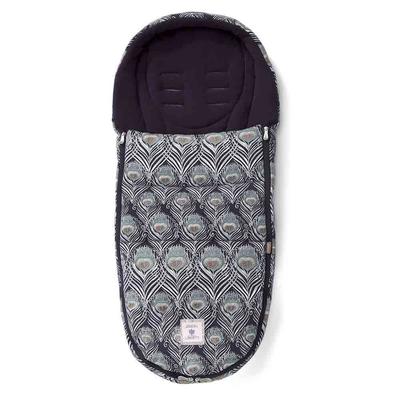
Mamas & Papas Special Edition Liberty Collaboration Cold Weather Plus FootmuffThe Cold Weather Plus Footmuff by Mamas & Papas is the ultimate footmuff for cold weather protection, and features an extra-soft fleece lining. Ideal for keeping baby warm and cozy when out and about in cool weather, you can even zip down to a liner...150,00 $*Shipping: 0,00 $Secure redirect to the provider
-
Yealink MeetingBoard 65-inch 4K Interactive Collaboration Display (MB65-A001)Yealink MeetingBoard 65 (MB65-A001): a 65-inch 4K Ultra HD LED-backlit interactive touch display for meeting rooms, with built-in camera, microphone array and speakers for Microsoft Teams Rooms and Zoom Rooms. Runs Android with a built-in processor and Wi-Fi.3896,99 £*Shipping: 0,00 £Secure redirect to the provider
-
Dell Pro Silent Wired Collaboration Keyboard KB525C UK QWERTY - BlackProfessional wired collaboration keyboard featuring spill-resistant design and silent key switches. Includes 15 programmable shortcut keys, dedicated Copilot key, and volume controls for enhanced productivity. Full numeric keypad and UK QWERTY layout with comprehensive 3-year NBD Advance Exchange support.45,99 £*Shipping: 0,00 £Secure redirect to the provider
-
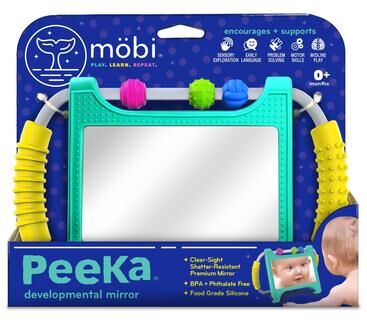
Mobi Peeka Development MirrorPEEKA® developmental mirror was designed by our team of doctors, therapists and parents to help children explore, learn and grow. When you place PEEKA® in the hands of your little ones, you will be amazed at the variety of ways they find to play...26,99 $*Shipping: 0,00 $Secure redirect to the provider


-
How can I create 2-5-1 progressions?
To create a 2-5-1 progression, you can start by choosing a key. For example, let's say you choose the key of C major. The 2 chord in C major is Dm7, the 5 chord is G7, and the 1 chord is Cmaj7. So, a 2-5-1 progression in C major would be Dm7 - G7 - Cmaj7. You can experiment with different voicings, rhythms, and variations to make the progression more interesting and unique. **
-
What are blues chord progressions and blue notes?
Blues chord progressions are the series of chords used in blues music, typically following a 12-bar structure. These progressions often include the I, IV, and V chords, creating a characteristic sound that is central to the blues genre. Blue notes, on the other hand, are specific pitches that are often added to the standard major or minor scale, creating a unique and expressive sound. These notes are often played with a slightly lowered pitch, adding a sense of tension and emotion to the music. Both blues chord progressions and blue notes are essential elements in creating the distinct sound of blues music. **
-
What are good chord progressions for medieval music?
Good chord progressions for medieval music often include simple, consonant intervals such as fifths and octaves. Common progressions include the use of the I-IV-V-I progression, as well as the use of modal scales such as the Dorian and Mixolydian modes. Additionally, the use of open, hollow harmonies and drone notes can also be characteristic of medieval music chord progressions. **
-
How do you analyze chord progressions in a song?
When analyzing chord progressions in a song, I first identify the key of the song to understand the scale and potential chords that may be used. Then, I listen to the progression to identify the specific chords being used and their relationship to each other. I pay attention to the chord quality (major, minor, dominant, etc.) and the order in which they appear, as well as any patterns or variations in the progression. Finally, I consider the emotional impact and the overall effect of the progression on the song's mood and structure. **


How can one play sad chord progressions on the piano?
To play sad chord progressions on the piano, one can start by using minor chords, as they generally evoke a sadder feeling compared to major chords. Experiment with chord progressions that include minor chords such as A minor, D minor, and E minor. Additionally, incorporating dissonant intervals or adding tension by using diminished or suspended chords can enhance the melancholic mood of the music. Finally, playing the chords at a slower tempo and using dynamics to create a softer, more emotive sound can further emphasize the sadness in the music. **
Can one logically think of these chord progressions? How did the person who thought of this come up with this idea?
Yes, one can logically think of these chord progressions by understanding music theory principles such as harmony, chord functions, and tension and resolution. The person who thought of these chord progressions likely had a deep understanding of music theory and experimented with different chord combinations to create a unique and interesting sound. They may have also drawn inspiration from other songs, genres, or artists to come up with new and innovative ideas for chord progressions. **
Top-Angebote
Products related to Progressions:
-
Sesderma Reti Age 5 Liposomal Serum Anti-Aging Innovation 30mLA facial serum for wrinkles and signs of ageing. Reduces wrinkles and fine lines. Hydrates and strengthens barrier. Restores youthful radiance. 5-Retinoid System: smooths wrinkles, accelerates renewal, and boosts collagen. Biomimetic Peptides: fill expression lines by stimulating collagen synthesis.54,51 £*Shipping: 5,34 £Secure redirect to the provider
-
Mamas & Papas Special Edition Liberty Collaboration Cold Weather Plus FootmuffThe Cold Weather Plus Footmuff by Mamas & Papas is the ultimate footmuff for cold weather protection, and features an extra-soft fleece lining. Ideal for keeping baby warm and cozy when out and about in cool weather, you can even zip down to a liner...150,00 $*Shipping: 0,00 $Secure redirect to the provider
-
Yealink MeetingBoard 65-inch 4K Interactive Collaboration Display (MB65-A001)Yealink MeetingBoard 65 (MB65-A001): a 65-inch 4K Ultra HD LED-backlit interactive touch display for meeting rooms, with built-in camera, microphone array and speakers for Microsoft Teams Rooms and Zoom Rooms. Runs Android with a built-in processor and Wi-Fi.3896,99 £*Shipping: 0,00 £Secure redirect to the provider
-
What are typical romantic chord progressions?
Typical romantic chord progressions often include the use of major and minor chords, such as I-IV-V or vi-IV-V. These progressions create a sense of resolution and emotional depth that is commonly associated with romantic music. Additionally, the use of extended chords, such as seventh chords or ninth chords, can add richness and complexity to the progression, enhancing the romantic feel. Overall, romantic chord progressions tend to evoke feelings of love, longing, and tenderness. **
-
What are normal progressions in skating?
Normal progressions in skating typically involve learning and mastering fundamental skills before moving on to more advanced techniques. This can include mastering basic movements such as forward and backward skating, stopping, and turning before progressing to more complex maneuvers like crossovers, jumps, and spins. Skaters often start with basic skills and gradually build upon them, developing their balance, agility, and coordination as they advance. Progressions in skating also involve increasing speed, refining technique, and learning more challenging routines or tricks. **
-
How can I create 2-5-1 progressions?
To create a 2-5-1 progression, you can start by choosing a key. For example, let's say you choose the key of C major. The 2 chord in C major is Dm7, the 5 chord is G7, and the 1 chord is Cmaj7. So, a 2-5-1 progression in C major would be Dm7 - G7 - Cmaj7. You can experiment with different voicings, rhythms, and variations to make the progression more interesting and unique. **
-
What are blues chord progressions and blue notes?
Blues chord progressions are the series of chords used in blues music, typically following a 12-bar structure. These progressions often include the I, IV, and V chords, creating a characteristic sound that is central to the blues genre. Blue notes, on the other hand, are specific pitches that are often added to the standard major or minor scale, creating a unique and expressive sound. These notes are often played with a slightly lowered pitch, adding a sense of tension and emotion to the music. Both blues chord progressions and blue notes are essential elements in creating the distinct sound of blues music. **
Similar search terms for Progressions
-
Dell Pro Silent Wired Collaboration Keyboard KB525C UK QWERTY - BlackProfessional wired collaboration keyboard featuring spill-resistant design and silent key switches. Includes 15 programmable shortcut keys, dedicated Copilot key, and volume controls for enhanced productivity. Full numeric keypad and UK QWERTY layout with comprehensive 3-year NBD Advance Exchange support.45,99 £*Shipping: 0,00 £Secure redirect to the provider
-
Mobi Peeka Development MirrorPEEKA® developmental mirror was designed by our team of doctors, therapists and parents to help children explore, learn and grow. When you place PEEKA® in the hands of your little ones, you will be amazed at the variety of ways they find to play...26,99 $*Shipping: 0,00 $Secure redirect to the provider
-
HARPERCOLLINS Creative Confidence by Tom & David Kelley – Unleashing Your Creative Potential & Innovation MindsetA powerful and inspiring book from the founders of IDEO, the award-winning design firm, on unleashing the creativity that lies within each and every one of us. Too often, companies and individuals assume that creativity and innovation are the domain of the ‘creative types’. But two of the foremost experts in innovation, design and creativity on the planet show us that each and every one of us is creative. In an entertaining and inspiring narrative that draws on countless stories from their work at IDEO, and with many of the world's top companies and design firms, David and Tom Kelley identify the principles and strategies that will allow us to tap into our creative potential in our work lives, and in our personal lives, allow us to think outside the box in terms of how we approach and solve problems. ‘Creative Confidence’ is a book that will help each of us be more productive and successful in our lives and in our careers.4,95 £*Shipping: 1,99 £Secure redirect to the provider
-
Yealink MeetingBoard Pro 75-inch 4K Interactive Collaboration Display (MB75Pro-A02)Yealink MeetingBoard Pro 75 (MB75Pro-A02): an all-in-one 75-inch 4K UHD (3840 x 2160) anti-glare multi-touch display for medium-sized meeting rooms. It has a 400 cd/m² panel, a built-in triple-eye camera system (3 x 50 MP), a 16-MEMS microphone array and full-range speakers, and runs Microsoft Teams Rooms on Android with an interactive whiteboard and wireless content sharing.4732,99 £*Shipping: 0,00 £Secure redirect to the provider
-
What are good chord progressions for medieval music?
Good chord progressions for medieval music often include simple, consonant intervals such as fifths and octaves. Common progressions include the use of the I-IV-V-I progression, as well as the use of modal scales such as the Dorian and Mixolydian modes. Additionally, the use of open, hollow harmonies and drone notes can also be characteristic of medieval music chord progressions. **
-
How do you analyze chord progressions in a song?
When analyzing chord progressions in a song, I first identify the key of the song to understand the scale and potential chords that may be used. Then, I listen to the progression to identify the specific chords being used and their relationship to each other. I pay attention to the chord quality (major, minor, dominant, etc.) and the order in which they appear, as well as any patterns or variations in the progression. Finally, I consider the emotional impact and the overall effect of the progression on the song's mood and structure. **
-
How can one play sad chord progressions on the piano?
To play sad chord progressions on the piano, one can start by using minor chords, as they generally evoke a sadder feeling compared to major chords. Experiment with chord progressions that include minor chords such as A minor, D minor, and E minor. Additionally, incorporating dissonant intervals or adding tension by using diminished or suspended chords can enhance the melancholic mood of the music. Finally, playing the chords at a slower tempo and using dynamics to create a softer, more emotive sound can further emphasize the sadness in the music. **
-
Can one logically think of these chord progressions? How did the person who thought of this come up with this idea?
Yes, one can logically think of these chord progressions by understanding music theory principles such as harmony, chord functions, and tension and resolution. The person who thought of these chord progressions likely had a deep understanding of music theory and experimented with different chord combinations to create a unique and interesting sound. They may have also drawn inspiration from other songs, genres, or artists to come up with new and innovative ideas for chord progressions. **
* All prices are inclusive of VAT and, if applicable, plus shipping costs. The offer information is based on the details provided by the respective shop and is updated through automated processes. Real-time updates do not occur, so deviations can occur in individual cases. ** Note: Parts of this content were created by AI.